
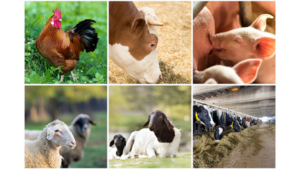
This is an introduction into the livestock industry. It provides a synopsis of the number of domesticated animals around the world, their growing values for humans, and the consequences of increasing demand for animal source protein food for humans and the environment.
Foundation for Manpower Development (FMD): A Reflective Perspectives:
Livestock and other animals, like every natural resource, are gifts of God for the benefit of human beings and all other creatures. Every species on the planet is as important as another and the neglect or abuse of any one species is at the peril of the other species. In this sense, the major tasks of livestock scientists and producers is to find out the purpose for which animals, whether domesticated or not have been given to be used by man. Having found the purpose, man is obliged to administer them faithfully and Faily without causing harm to any other creature in the process of using or enjoying them. Lack of understanding of this purpose is the cause of excesses and abuse of animals and the environment. Sustainable resource use for the welfare of animals and man is therefore a non-negotiable mandate, failure to observe which leads to consequences including environmental degradation and prevalent diseases affecting the modern man. Man as the highest of the species on earth is endowed with the ability to judiciously administer these gifts of nature and is answerable to their use or misuse.
This document on livestock species, their numbers and distribution has been adapted from resources on the FAO Animal Planet website, which is accessible via the link below.
https://storymaps.arcgis.com/stories/58ae71f58fd7418294f34c4f841895d8
Livestock Species and Distribution.
HOW MANY LIVESTOCK?
Livestock Species and Distribution. A recent post on “How Many livestock”, in pdf format is accessible on the FMD website via this link – https://fmd-ng.org/wp-content/uploads/2026/01/How-many-Livestock.pdf the post highlights the number and geographical distribution of the six major livestock species. A synopsis of the post is given below.
What is Livestock?
The term “livestock” refers to any domesticated, land-living animal that is raised to provide resources like meat, milk, eggs, skin, feathers, etc., and to provide other services including but not limited to, transportation, therapeutics, draught power in the farm etc. Buffalo, cattle, chickens, ducks, goats, horses, pigs, and sheep are just a few examples of animals that fall into this broad category.
Livestock is raised around the globe, both on small scales—for subsistence, or local trade—and in massive industrial operations supplying raw or processed foods for national and international markets. The massive population of these animals is hard to fathom: The combined weight of cattle, chickens, and pigs exceeds the weight of all wild animals and humans combined.
Values of livestock
Livestock is a source of animal protein foods for humans and other animals. Livestock products include meat, eggs, and milk. Human babies depend on milk from cattle and other animal sources derived food for its survival. Livestock is also a source of other products such as wool, hides, hoofs etc., while contributing to the converting plants biomass into high value animal protein products. They are also a banking asset for millions of producers and serve as a means of exchange in traditional marriage and other ceremonies.
Increasing demand for Livestock
Across the globe, the market for livestock products is growing dramatically.
In low- and middle-income countries, the amount of meat, dairy, and eggs consumed more than tripled over the last three decades. This growing demand is attributed to population growth and increasing income around the world, among other factors.
This Increasing demand for livestock products requires increased productivity and supply, which are currently being met by genetic improvement, increasing herd/flock sizes and intensification of management systems. The latter requires animals to live closely in confined spaces to maximize space. This practice has aroused great ethical concerns among animal scientists and animal welfare and environmental activists.
Recent research has shown that:
- The market for livestock products such as meat, milk and egg will grow to more than 200 percent of present-day levels by 2050 (FAO 2017).
To meet increasing demand, production, management, and marketing systems are changing. These include:
- Production Systems: From extensive to more intensive systems, and attendant higher greenhouses gas emissions.
- Management: Higher resource use e.g., increasing land, vegetation, water, feeds, agrochemicals, veterinary products, human resources etc. to meet the needs of intensive production systems.
- Marketing and packaging: livestock products are changing from direct on farm, minimally processed products to highly processed packaged products.
Consequences of intensification.
Today, more than three-quarters of all agricultural land, and 30 percent of all land, is used for livestock (including the cultivation of animal feed).
Livestock exerts a significant environmental toll, especially when produced and managed on industrial scales. Air and water pollution, loss of biodiversity, resource exhaustion, and land degradation are just some of the consequences of intensive livestock production.
A pertinent question is what can be done to use livestock and their products without harming animals, man, and the environment. This issue will be examined in a future post.
If you would like to learn more about the drivers and outcomes of increasing livestock demand, the UN’s Food and Agriculture Organization (FAO) has published a thorough report, Shaping the future of livestock , that delves into the details of creating a sustainable, responsible, and efficient livestock industry.
Esri’s Story Maps team
https://storymaps.arcgis.com/stories/58ae71f58fd7418294f34c4f841895d8
Livestock Species and Distribution. A recent post on “How Many livestock”, in pdf format is accessible on the FMD website vis this link – https://fmd-ng.org/wp-content/uploads/2026/01/How-many-Livestock.pdf
A very interesting and educative view of livestock populstion and distribution globally.